Fleet vehicles tell a story before anyone steps out of them. In North Sarasota and across the Suncoast, they idle in jobsite lines, idle at lights on University Parkway, and park at storefronts or medical campuses where customers take mental notes without even meaning to. Paint gloss, glass clarity, interior odor, even the tread marks tracked onto a van floor, all of it becomes a visible proxy for how a company treats its work. That is the practical case for mobile detailing at scale, not vanity, but uptime, safety, compliance, and brand control.
The work looks different when a team is managing twenty to two hundred vehicles instead of a single sedan. You are not obsessing over a single swirl mark under garage lights. You are planning around clock-ins, equipment racks, sign-off sheets, and the unavoidable reality that these vehicles have a job to do every morning. A cleaning program fails if it disrupts routes or causes callbacks. It succeeds when the process disappears into the background and the fleet simply looks and feels consistently ready.
What fleet managers actually need from mobile detailing
Every fleet manager I have worked with cares about three things in a predictable order. First, uptime. Second, the state of safety-critical surfaces like windshields, mirrors, headlamps, and backup cameras. Third, the long view on asset preservation, especially paint systems, decals, vinyl wraps, and interior plastics that get battered by sun and hand oils.
On uptime, overnight or early morning service matters in North Sarasota. Crews leave Lakewood Ranch staging at 6:30 a.m. For Bradenton sites, or they split between Palmetto and Venice before rush hour ties up I-75. The cleaning window lives in that slim period when a lot is quiet, the sun has not begun to cook panels, and shop lights or portable towers can safely illuminate work areas. Good mobile detailing is built around that window.
Safety surfaces are more than a wash. Florida’s lovebugs can etch clearcoat in 24 to 48 hours and create unnatural scatter on headlamp lenses. Glass clarity degrades with salt in Venice and North Port, especially on vehicles that patrol coastal corridors. Wiper chatter and ghosting happen because of the film that standard soaps never remove. Proper decontamination and glass polishing are not luxuries. They are glare and fatigue reducers on long runs.
For preservation, think about paint oxidation on white work vans by year three, the way black SUVs used by executives haze in the heat, or how vinyl wraps begin to crack at edges where ladders rub. The choice between ceramic coating and paint protection film, often called PPF, has to be tailored by use case and surface. A detergent-safe ceramic coating can save hours across a hundred vehicles over a year. PPF on the first 18 to 24 inches of a service truck hood prevents rock peppering that otherwise shows up by month six on new routes along construction corridors.
The North Sarasota environment is a harsh teacher
There is a reason auto detailing in Sarasota and Manatee counties requires process discipline. UV levels are high, rainfall comes in heavy bursts, and airborne grit from ongoing construction settles daily in places like North Sarasota and Lakewood Ranch. Mix in lovebug hatch cycles in spring and late summer, and you have an exterior maintenance gauntlet. Vehicles parked near the coast pick up salt film that fuses to paint and glass within days. Inland, agricultural runs around Palmetto or north toward Parrish deliver a different contaminant mix, mostly dust and pollen that embeds in rubber seals and wiper blades.
Interior conditions are just as punishing. Humidity and heat accelerate odors in cabin fabrics. Work crews track calcium dust, fertilizer, or soil onto rubber floors. By the second month of a new contract, a fleet without consistent interior care smells older than it is, and drivers start to reject certain units. Once that stigma sets in, scheduling gets harder because dispatchers unconsciously assign the cleaner trucks to the more senior teams. A solid interior sanitation routine fixes this by removing the variance.
How a fleet detailing scope changes from retail detailing
Retail detailing for a single car chases perfection on a small canvas. Fleet auto detailing is about repeatable consistency and velocity without sliding backward on quality. In practice, this scope usually includes:
- Exterior contact wash with a controlled two-bucket or safe foam method, followed by a thorough rinse that avoids blasting decals and wrap edges. Chemical decontamination on a scheduled cadence, often monthly, using iron removers or bug-specific pre-soaks to reduce mechanical marring. Glass corrections as needed, with an emphasis on removing hydrophobic film that causes wiper chatter, then restoring a controlled hydrophobic finish that improves wet vision. Interior sanitation with hot-water extraction on high-traffic seats when necessary, otherwise a precise dry-vac and steam approach that prevents over-wetting. Plastic and rubber surfaces get UV-stable dressings that do not create glare. Periodic paint correction for higher-visibility units, such as sales or executive transport, where the ROI on gloss matters for client-facing work.
Paint correction on every unit is rarely practical. It is common to reserve machine polishing for vehicles that present the brand in close quarters, like showroom delivery vans or black SUVs used by management. For the backbone of a field fleet, the smarter investment is surface protection and a cleaning sequence that keeps defects from compounding.
Scheduling reality in Sarasota, Lakewood Ranch, Bradenton, and beyond
Mobile detailing shines when it solves access problems. Gated communities, medical campuses in Lakewood Ranch, and secure yards in North Sarasota all come with gate codes, guard checks, and noise limits after 10 p.m. The detailing team has to be vetted, insured, and punctual, with a plan for power and water that does not depend on property hookups. In Bradenton, we frequently work under sodium lights near the riverfront where power drops are scarce. In Venice and North Port, wind can be strong enough to move rinse mist, so setup includes wind breaks and a re-sequencing of wash and dry zones to control overspray near sensitive storefronts.
Route planning must consider how quickly a lot empties in the morning. A 40-unit service yard might only leave ten trucks overnight. That means a rolling program through the week, plus a heavier Saturday block when more vehicles rest. When the fleet sprawls across satellite lots, the team must carry redundant water capacity and reclaim gear because not every site allows discharge.
Water, power, and environmental compliance without drama
Runoff is a real issue in Florida. Storm drains in North Sarasota feed directly toward wetlands, and city inspectors are trained to look for soap plume or sheen in gutters. The workable solution is straightforward when a team brings its own water, uses biodegradable detergents, and deploys reclaim mats and vacuum recovery in sensitive areas. For heavily soiled equipment, pretreatment inside a shop bay with proper oil-water separation may be necessary. Even with clean operations, it helps to keep SDS sheets on hand and train techs on a quick script if property managers ask about methods.
Power independence solves half the headaches. Quiet inverter generators keep decibel levels manageable during early morning work. When we must tie into facility power for high-load equipment, the crew carries GFCI-protected cords and surveys outlets before plugging in. Simple, boring prep avoids blown breakers that wake up an on-call facilities manager.
Quality control the way drivers and dispatchers feel it
No one calls a fleet manager to congratulate them on a polished hood. They call when the backup camera still looks foggy or a van smells like cleaner for days. The quality checks that matter are the ones drivers notice the first time they sit down. That means clean glass with no streaks, residue-free steering wheels and shift knobs, and properly seated floor mats. On the exterior, it means no chalky residue in panel gaps, no wet mirrors leaving trails down doors, and wheel wells left free of mud that would sling up onto quarter panels.
Documentation helps prevent friction. A quick condition report for each unit, with time-stamped photos of any preexisting damage, becomes a habit that pays off when a rock chip gets noticed later. For fleets with tight compliance needs, like healthcare transport in Sarasota or municipal units in Bradenton, a shared folder with unit-by-unit logs calms audit nerves.
How Clear Vision Mobile Detailing and Ceramic Coatings structures a fleet program
Clear Vision Mobile Detailing and Ceramic Coatings approaches fleets with a standing playbook that leaves room to adapt. The first site walk focuses on traffic patterns and light. The second visit tests a pilot lineup of 5 to 10 vehicles using the exact overnight window the fleet requires. From there, frequency gets tuned. Weekly exterior maintenance might pair with a monthly interior deep cycle and a quarterly decontamination pass that includes iron removal and headlamp lens refreshes. For executive or client-facing units, a separate cadence for paint correction maintains a higher gloss standard without slowing the core crews.
On a North Sarasota grounds service with mixed pickup trucks and transit vans, Clear Vision Mobile Detailing and Ceramic Coatings identified three different wash zones to divide work by vehicle type and soil level. Lightly soiled admin vehicles got a contact wash and interior wipe in the first zone. Heavier work trucks with ladder racks moved to a second zone with reclaim mats and agitation tools for wheel wells. Transit vans that needed ozone treatment and hot-water extraction cycled through a third zone closer to the shop, where power and drainage were better controlled. Splitting the yard like this shaved about 40 minutes off nightly setup and eliminated wheel grit from contaminating the cleaner units.
Ceramic coating, PPF, and paint correction for working fleets
The word “detailing” can suggest show-car perfection, but coatings and films are essentially time and money management tools for fleets. A good ceramic coating on a new white van slows down oxidation, makes bug removal easier during lovebug season, and keeps wash times predictable. Hydrophobic behavior translates into faster drying and less towel contact, which limits micro-marring that forces early paint correction.
PPF earns its keep on high-impact zones. On highway-heavy routes up US-301 auto detailing or I-75, leading edges of hoods and front bumpers take constant rock strikes. Covering the first 18 to 24 inches of hood and the bumper’s top plane with PPF prevents the peppered look that forces repainting or patchwork touch-ups after a year. For trucks with toolboxes and ladder racks, custom PPF on door handle cups, rocker panels, and the tops of rear bumpers keeps paint from wearing through under repetitive contact. It will not make a truck pristine forever, but it will blunt the damage curve.
Paint correction has its place, especially when a vehicle represents a brand in close quarters. A two-step correction on a black SUV used for executive travel around Sarasota Memorial Hospital’s campus or partner meetings in downtown Sarasota restores clarity and depth. It also sets up a coating to bond properly. For white cargo vans in constant use, a light one-step correction may be enough once every 12 to 18 months to remove wash marring and brighten panels.
Vinyl wraps and graphics add another layer of decision-making. Coatings on wraps work, but the chemistry must be compatible with the wrap’s plasticizers. Matte wraps need products that protect without changing sheen. PPF over wrapped areas is generally avoided unless the wrap manufacturer approves it. More often, edge-seal tactics and careful wash techniques do the heavy lifting to prevent lift and grime creep.
Case notes from Clear Vision Mobile Detailing and Ceramic Coatings on coatings and PPF
A contracting fleet in Lakewood Ranch rolled out twenty new service vans with mixed white and graphite paint. Clear Vision Mobile Detailing and Ceramic Coatings applied a commercial-grade ceramic coating rated for detergent resistance, then added PPF to the first 20 inches of the hood and the top surfaces of rear bumpers. Over the first year, average wash time per van dropped by 8 to 12 minutes, bug removal took less than half the time during peak season, and none of the coated bumpers showed through-paint wear from tool loading. A smaller subset of black supervisor SUVs received a two-step paint correction before coating, and their maintenance washes were scheduled on separate nights to keep the polishing gains intact.
In Bradenton, a medical transport service faced fogging headlamps and film build-up at a six-month interval. After trialing a glass decontamination and coating routine, along with headlamp restoration where needed, the dispatch team reported fewer night-shift complaints about glare and a measurable decline in wiper blade replacements.
Managing different body types and use cases
Not all fleet vehicles are created equal. Box trucks have aluminum panels that dent easily, and their seams love to hold grime. Step vans have huge flat surfaces that magnify wash streaks if a team rushes. Refrigerated units bring condensation and slip hazards near rear doors, so work sequencing has to place those units earlier in the night to allow full dry time on thresholds and floors.
Police or security fleets around North Port often carry extra electronics and wiring along headliners and sills. Steam cleaning is safer than aggressive wet extraction to avoid moisture intrusion. On construction pickups, bedliners trap fine silt that looks clean at a glance but clouds back up when it rains the next day. Agitation with stiff brushes and targeted rinse angles is more effective than high pressure alone, which can drive grit deeper under bed rail caps.
Ladder racks and roof-mounted equipment complicate wash technique. They trap sand that rains down during drying, leaving faint tracks over fenders. One effective method is to pre-wash racks and roof hardware, then rinse downward slowly before proceeding to panels. During drying, a second pass with clean towels after a few minutes captures delayed drips.
Training drivers to keep vehicles presentable between visits
Mobile detailing at scale works best when drivers perform light daily care, even for 90 seconds at end of day. A simple kit in each unit and a few rules keep the baseline high.
- Knock loose floor debris daily and seat the mats correctly to avoid pedal interference. Use a pH-neutral quick detailer on fresh bird droppings and lovebugs, not a dry towel. Keep a small trash bag clipped near the center console and empty it at shift change. Avoid over-the-counter shiny dressings that smear steering wheels and cause glare.
When drivers understand that these steps make their own mornings easier, compliance rises. Dispatchers can help by modeling the behavior in the first few weeks of a new program.
When to schedule, and how often
Cadence depends on miles, environment, and brand expectations. For auto detailing Sarasota wide, a common pattern is weekly exterior touch with a light interior tidy. Every fourth visit adds interior deep cleaning plus exterior decontamination as needed. Seasonal spikes, such as lovebug months, warrant an extra bug treatment zone at the start of every wash to avoid dragging residue across paint. In North Sarasota and Lakewood Ranch, where many fleets park outdoors under trees, a leaf and pollen blow-out before washing prevents fine scratches.
Some operations find value in heavy monthly deep cleans instead of weekly touches, but this tends to backfire. Dirt accumulates, interior odors set, and the single long service window creates scheduling pain. Hour-for-hour, more frequent light touches paired with predictable quarterly deep cycles keep both appearance and morale higher.
Safety, insurance, and working on active properties
Night work around parked vehicles is not risk-free. Cones, reflective vests, and site lighting reduce hazard, but habits matter more. Teams should stage hoses to avoid trip zones, keep sprayer tips pointed down when walking, and block off any area where soap or water would reach passing foot traffic. Slip hazards rise with hydrophobic coatings because water beads and travels farther during blow-drying. Drying mats at pedestrian crossings near storefronts in Venice or Palmetto are a smart addition when detailing near entrances.
Insurance should match the work. Auto liability for moving customer vehicles, general liability for on-site operations, and workers’ comp are table stakes. Fleets with municipal contracts in Bradenton or county work around Sarasota often require additional insured endorsements. Keeping certificates ready and expiring policies tracked prevents access hiccups at gates.
Regional nuances across the Suncoast
Auto detailing North Sarasota and auto detailing Sarasota share the same climate, but micro-conditions differ. North Sarasota lots are often newer, with better drainage and lighting, so work can move faster. Lakewood Ranch campuses add HOA-style rules that limit noise and water flow patterns, which changes where a team can set up. Auto detailing Bradenton leans into older concrete with porous surfaces that wick water and can stay slick longer, so drying protocols adapt.
In Palmetto, agricultural dust is more common, and wash water can carry fines that need reclaim gear more often. Auto detailing Venice and auto detailing North Port regularly face salt air and fine sand that infiltrate weather seals. In those areas, conditioning rubber seals and treating door jambs is not optional. Skipping them creates noise and wear that drivers feel every time they close a door.
Measuring ROI without guesswork
Managers do not have time for soft metrics. A straightforward way to track value is to build a short baseline:
- Average wash time per vehicle before and after ceramic coating. Frequency of headlamp restoration or replacement pre and post routine decontamination. Driver-reported glare and odor complaints per month. Auction or resale results on retired units with and without PPF on leading edges.
Use a 90-day window to collect the first round. Often, you will see 10 to 20 percent faster wash cycles on coated units, lower wiper usage on glass that is properly decontaminated and treated, and higher acceptance rates for older units when interiors do not carry lingering odors. Fewer rock chips on PPF zones show up in maintenance logs without a special study. Paint correction justifies itself mainly on high-visibility units where appearance drives relationships.
Materials and methods that prevent backsliding
Not all soaps, decontaminants, or dressings are equal. For fleets, prioritize chemistry that plays well together. If you coat vehicles, choose a pH range for detergents and stick with it so the hydrophobic behavior stays predictable. Bug removers should be strong enough to break down protein quickly, but not so aggressive they cloud PPF on repeated use. Dilution ratios save money and finish quality, but only if techs measure consistently. Labeled bottles, color-coded towels for glass and interiors, and dedicated mitts for upper and lower panels prevent cross-contamination that causes haze and swirls.
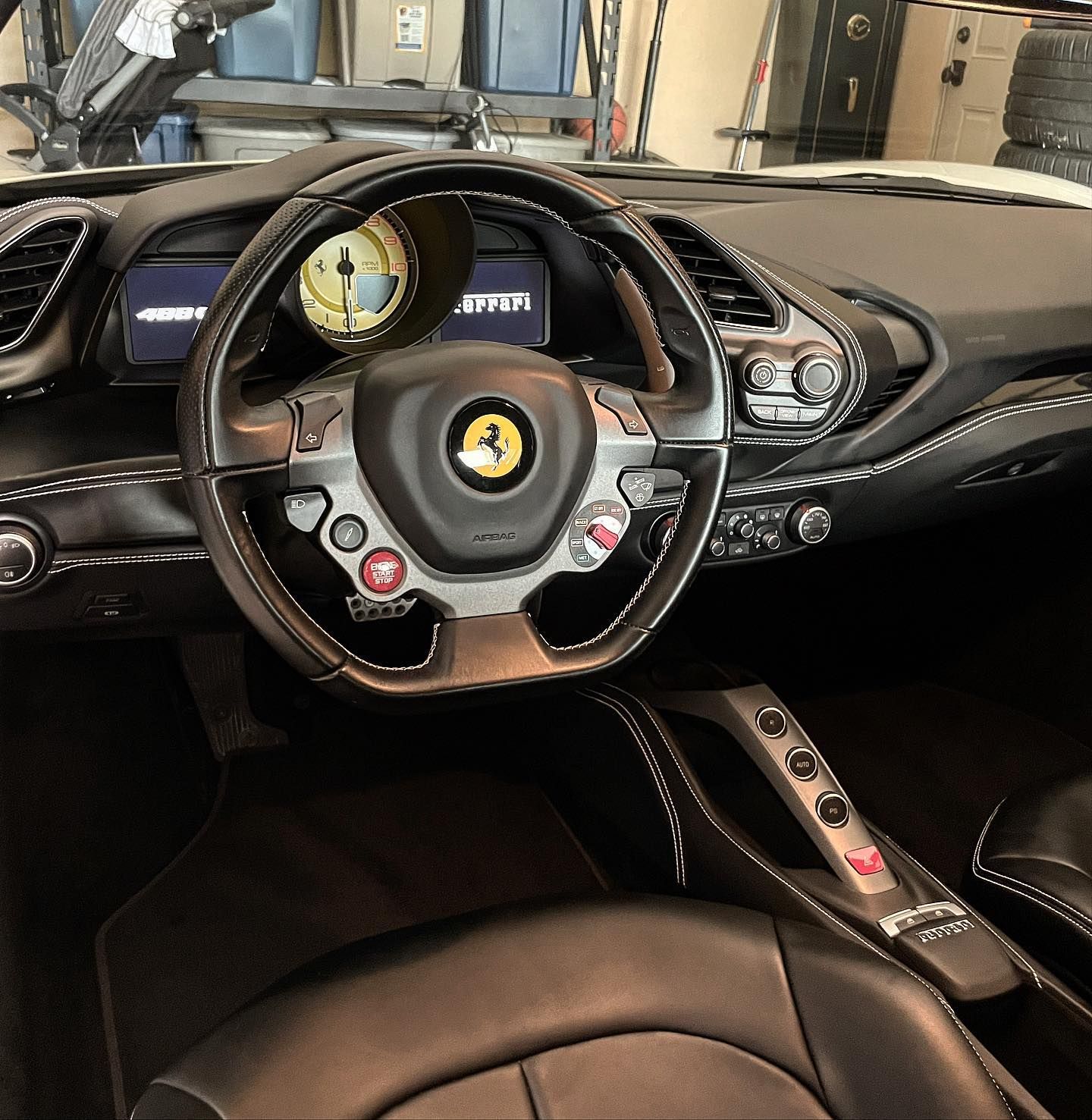
Tools matter. Soft brushes for badges and lug recesses, flagged-tip brushes for plastic trim, and careful use of pressure washers with fan tips keep delicate surfaces intact. Dryer blowers move water out of mirrors and seams that drip later and create water trails on clean panels. For interiors, steam is a powerful odor and soil remover when used lightly. Overdo it in humid months, and you will chase musty smells for days.
Where mobile detailing meets long-term fleet planning
Detailing sits alongside preventive maintenance, tire rotations, and telematics. It should not compete with them. Done right, mobile detailing takes a sliver of downtime and gives back a fleet that is easier to inspect, safer to drive, and more trusted by the people who step into it daily. It smooths out the brand story as vehicles move across Sarasota, North Sarasota, Lakewood Ranch, Bradenton, Palmetto, Venice, and North Port.
Clear standards, clean methods, and the right surface protections are the difference between a program that slowly slips and one that holds its level week after week. The same is true of vendors. In my experience, a partner like Clear Vision Mobile Detailing and Ceramic Coatings that shows up with a plan, adapts it to the site, and documents what matters will quietly remove an entire category of headaches from the operation. Over a year, that starts to look like less drama on Monday mornings and more predictable days for dispatchers, drivers, and the customers who see your vehicles first.